Daily life is being disrupted
Mental health symptoms or substance use may be causing serious problems at home, at school, or in relationships.
Residential treatment gives a teen a structured place to live while receiving focused behavioral health care.
It may be appropriate when mental health symptoms, substance use, or both are disrupting safety and daily life, and treatment at home is not enough.
At Rise Adolescent Treatment Center, we provide residential treatment in Las Vegas for teens ages 12–17. We support adolescents with primary mental health concerns, substance use, and co-occurring needs. Admission depends on an individual assessment and our ability to meet each teen’s needs safely.
Residential treatment provides more structure than weekly therapy or standard outpatient services because the teen lives at the program during care.

For a closer comparison, read our guide to residential treatment versus a psychiatric hospital.
Purpose: Planned treatment and skill building.
Setting: The teen lives at the program.
Clinical fit: Medically and psychiatrically stable enough to participate.
Purpose: Stabilization during an immediate psychiatric or medical emergency.
Setting: A hospital equipped for acute evaluation and care.
Next step: Seek emergency help when immediate safety is at risk.
If a teen is in immediate danger, cannot be kept safe, or has a medical emergency, seek emergency help first.
Rise does not provide detox. A teen who may be intoxicated or at risk for withdrawal needs a medical assessment before residential admission.
Teens presenting a danger to themselves or others require inpatient hospitalization and medical clearance before Rise can consider admission. After hospitalization and clearance, Clinical Director Erin Smith and Medical Director Dr. Heider provide final approval based on whether Rise can meet the teen’s current needs. Clearance alone does not guarantee acceptance.
Our guide to when a teen may need residential treatment helps families frame the assessment question.
A diagnosis alone does not determine the right level of care. A qualified assessment considers the teen’s safety, functioning, medical needs, previous care, and available support.
Mental health symptoms or substance use may be causing serious problems at home, at school, or in relationships.
A family may be unable to provide the level of support and supervision the teen currently needs at home.
Outpatient treatment, IOP, or PHP may not provide sufficient support, or a teen may need structured care after hospital stabilization.
The National Institute of Mental Health recommends seeking an evaluation when a young person’s emotions or behavior last for weeks, cause distress, interfere with daily functioning, or become unsafe (National Institute of Mental Health, 2024). These signs do not automatically mean residential care is needed. They show that a careful evaluation is appropriate.
Our assessment considers safety, functioning, medical stability, family circumstances, previous care, and fit for residential treatment. Families should be ready to discuss:
Our admissions team can explain the admissions process and help determine whether an assessment makes sense. Acceptance, timing, and the recommended level of care cannot be guaranteed before that review.
Families considering care for trauma and PTSD or self-harm can review those condition-specific guides alongside an individual assessment.
Good residential care is more than time away from home. Treatment should help a teen understand patterns, practice useful skills, and prepare for situations they will face after discharge.
Cognitive behavioral therapy (CBT) helps teens notice connections among thoughts, feelings, and actions. Rise also uses DBT skills for emotional regulation, distress tolerance, communication, and mindfulness within individualized care. Skills-based work is one component of treatment; Rise does not describe its offering as comprehensive DBT.
Our trauma-focused services address the effects of traumatic experiences without assuming that every teen has the same history or needs the same approach.
Guided activities can help teens practice coping, communication, and emotional regulation skills while applying what they are learning in treatment.
Rise’s residential program includes individual therapy twice weekly, along with group therapy. Individual sessions provide a private setting for personal treatment goals; groups offer structured opportunities to practice coping skills and hear other perspectives. The individual plan determines the focus of treatment and how services work together.
Treatment plans are reviewed weekly so the team can consider progress, current needs, family input, and the next goals.
Depending on the teen’s plan, treatment may also address emotional triggers, communication, problem-solving, daily routines, the relationship between mental health and substance use, and preparation for the next level of care.
Our multidisciplinary team contributes different perspectives to assessment and treatment planning. This helps us consider mental health, substance use, family input, and day-to-day functioning together.
Families should ask who will be involved in their teen’s care and how the team will communicate with them.

Parents and guardians remain important even when a teen lives at the program.
Rise’s residential program includes weekly family therapy and weekly clinical updates. Therapy sessions focus on shared treatment goals; updates help caregivers understand progress and planning. Family participation also contributes to assessment, treatment planning, and preparation for discharge.
Ask the team how participation, privacy, and any visits or calls will work for your family. Family therapy and clinical updates are different from visitation or social-contact arrangements.
Family involvement can help our team understand what happens outside clinical sessions and help caregivers prepare for the teen’s return. It may include sharing information, taking part in treatment and transition planning, receiving appropriate updates, practicing communication skills, and coordinating follow-up care.
Useful family involvement is not about blame. It gives caregivers and teens a chance to understand patterns, build practical skills, and plan for support after residential care.
Bring the teen’s perspective, caregiver observations, prior care, and safety concerns into assessment.
Ask how goals and services will be chosen for the teen’s needs.
Clarify family participation, communication, and skills to practice together.
Discuss continuing care, support at home, and who will coordinate each next step.
Planning is revisited as needs change. These are planning themes, not a fixed schedule or promised length of stay.
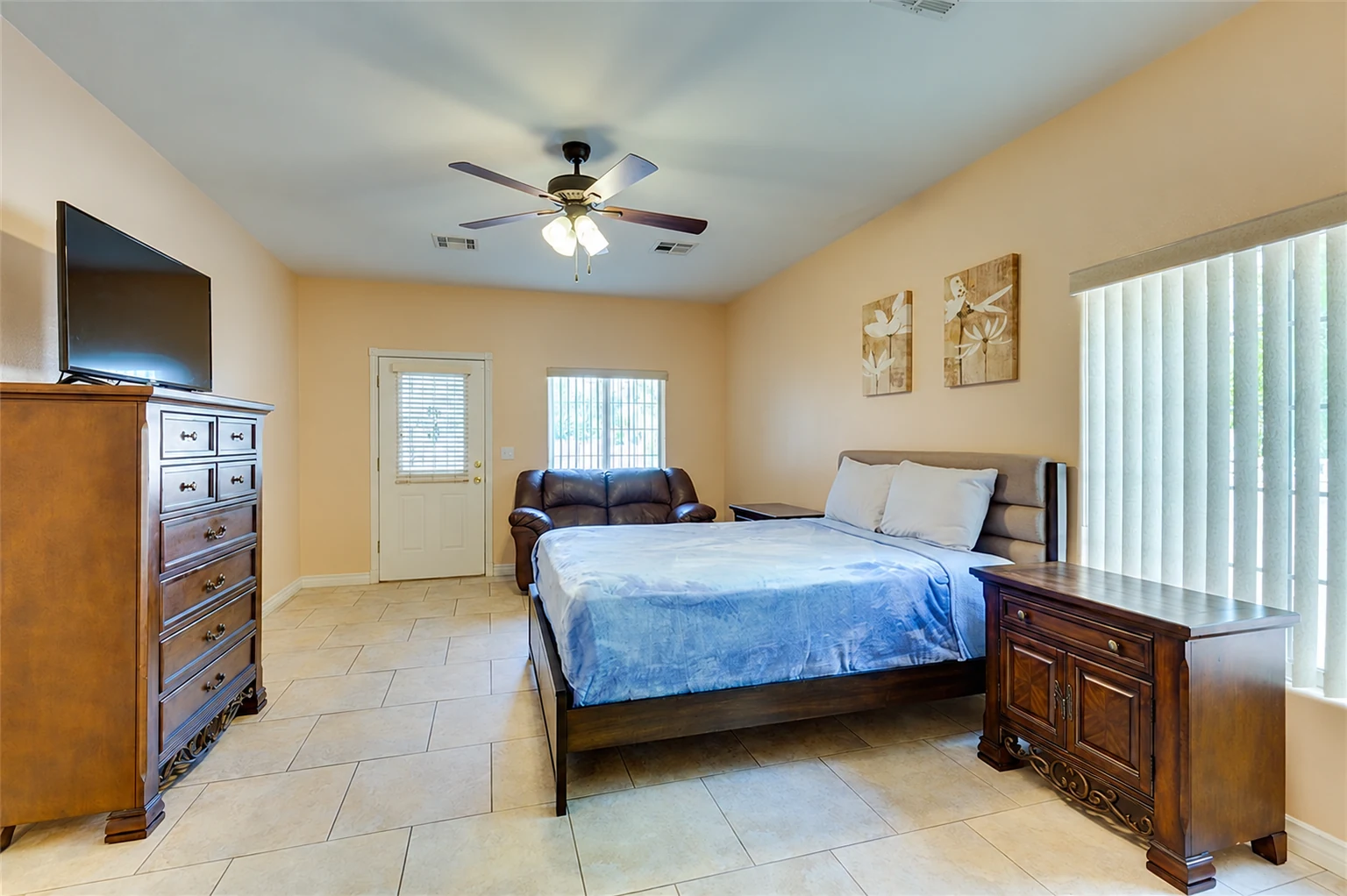
See our school and academic support guide and facility gallery for more about the setting and daily routines.
Adolescent residential treatment generally follows a structured routine with time for treatment, school responsibilities, meals, rest, recreation, and practice using new skills. Structure is meant to support safety and participation, not to punish a teen.
Rise’s designated Academic Support staff member coordinates with the teen’s school district. The education model provides three hours on weekdays when that arrangement is accepted by the district. Existing IEP and 504 plans are incorporated into the treatment setting as applicable; course credit and school requirements must be confirmed with the receiving school or district.
Families should ask admissions for the current daily schedule and communication, visitation, and device policies. The treatment plan and school arrangements shape each teen’s routine.
Compare residential care with the other treatment programs at Rise as your family discusses the appropriate next step.
A teen’s recommended level of care may change as safety, stability, and support needs change.
The teen lives at the program while participating in structured behavioral health care.
These services generally allow a teen to live at home or in another approved setting while attending a higher level of outpatient care.
Ongoing appointments can support continued progress with less treatment intensity.
Rise coordinates follow-up appointments and medication continuity before discharge, with family participation in transition planning. The team reviews the teen’s progress, safety, home setting, school needs, and ongoing care requirements.
The next step may involve PHP, IOP, standard outpatient treatment, or community providers. Moving through every level in a fixed order is not required; the recommendation depends on the teen’s assessed needs and the receiving provider’s acceptance.
Rise does not accept Medicaid. We work with major insurance providers, including while our in-network credentialing is still in process. This does not mean that Rise is in network with a particular plan or that care will be covered.
Commercial insurance may be accepted after an individual benefits review. Benefits, authorization, clinical need, level of care, and plan terms can all affect coverage and out-of-pocket costs. We do not guarantee coverage, reimbursement, admission, or a specific cost.
Clear answers help families compare residential treatment centers based on safety, clinical fit, transparency, and practical needs.
Residential treatment may help when a teen needs more support than can be provided safely at home, but the decision should follow a careful assessment. We serve adolescents ages 12–17 in Las Vegas and evaluate primary mental health, substance use, and co-occurring needs.
Call our admissions team confidentially to discuss what is happening, whether our program may be an appropriate fit, and which questions still need answers.
No. A psychiatric hospital provides acute stabilization during a crisis. Residential treatment provides planned, structured care for a teen who is stable enough to participate.
No. We do not offer detox. Possible intoxication or withdrawal requires medical assessment and, when indicated, withdrawal-management services before residential admission.
Length of stay depends on clinical needs, progress, safety, authorization, and the next care arrangement. Rise reviews treatment plans weekly. Ask the clinical team which goals need to be met, how the recommendation is reviewed, and what must be arranged before discharge; a specific discharge date cannot be promised in advance.
No treatment provider can guarantee an outcome. Residential treatment can offer a structured environment, consistent support, and focused time to practice skills. Results for a particular teen depend on clinical fit, engagement, family support, the treatment plan, and continuity of care.
Cost depends on the program, length of care, insurance benefits, authorization, and the family’s financial responsibility. Our admissions team can review available payment and benefit information, but we cannot guarantee coverage or a final cost before the required reviews.
Yes. We serve appropriate adolescents from Nevada and other states. Admission, travel, and transition details must be confirmed for each family.
National Institute of Mental Health. (2024). Children and mental health: Is this just a stage? https://www.nimh.nih.gov/health/publications/children-and-mental-health
National Institute of Mental Health. (2024). Psychotherapies. https://www.nimh.nih.gov/health/topics/psychotherapies
University of Washington Behavioral Research and Therapy Clinics. (n.d.). Dialectical behavior therapy. https://depts.washington.edu/uwbrtc/about-us/dialectical-behavior-therapy/